

What Makes a Portrait Look Back at You: The Difference Between a Likeness and a Portrait
Some portraits look back at you. They hold a room. You walk past them in a magazine spread, on a poster, in a book, and something pulls. You stop. You look again. The face on the page seems aware that you're there.
Others, technically just as accurate, do nothing. They're correct. They're recognizable. But they don't return your attention.
The difference isn't talent in some abstract sense. It's a handful of specific decisions, made one at a time, in service of presence over precision. A likeness records a face. A portrait inhabits one.
What's interesting is that this isn't only an artistic distinction. It's a measurable one. Decades of research in cognitive psychology and neuroscience point to the same conclusion: the small choices an illustrator makes around gaze, asymmetry, restraint, and light are precisely the choices that determine whether the brain processes an image as a person or as a generic face.
Here's what changes between the two.
The gaze
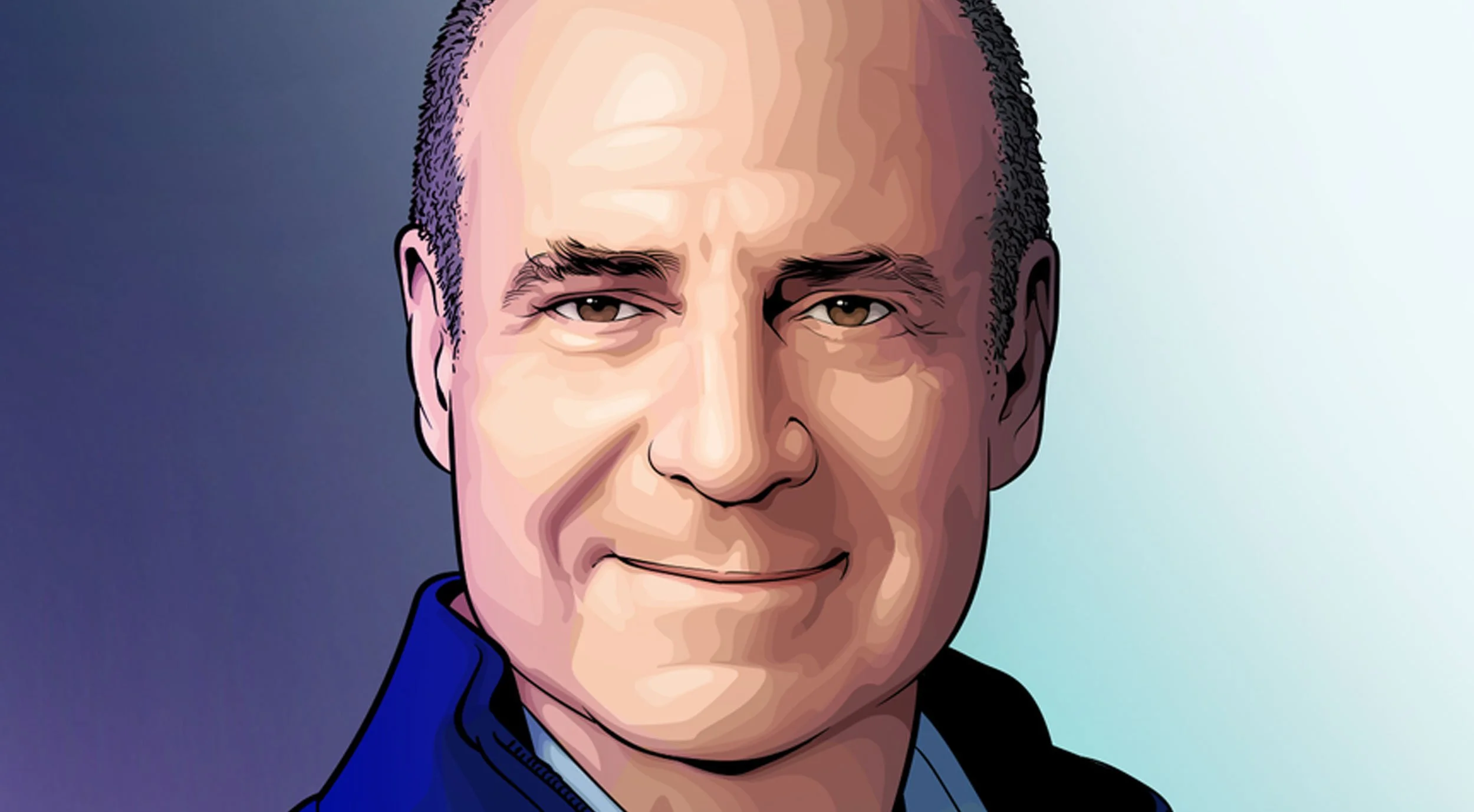
Where a portrait looks determines everything. Eyes meeting the viewer create confrontation, intimacy, or recognition depending on how they're rendered. Eyes turned slightly away create thought. Eyes looking down create weight, sometimes grief, sometimes humility.
This isn't only artistic intuition. A foundational paper by Senju and Johnson, published in Trends in Cognitive Sciences in 2009, describes what researchers call the eye contact effect. When a viewer perceives direct gaze from a face, a specific network of brain regions activates, the same network involved in social interaction, including the medial prefrontal cortex, the superior temporal sulcus, and the amygdala. Direct gaze captures attention faster than averted gaze, increases memory for the face, and raises how likeable the viewer finds the person.
In other words, where a portrait looks doesn't only communicate emotion. It changes how the viewer's brain processes the image. A skilled portrait illustrator knows this implicitly. They draw eyes the way a face works when it's alive: whites that aren't uniformly white, pupils that aren't perfectly centered, a subtle asymmetry between the two eyes that signals attention is happening behind them.
Photographic likenesses often get the proportions exactly right and lose this entirely. The face is correct. The look is gone.
The asymmetry
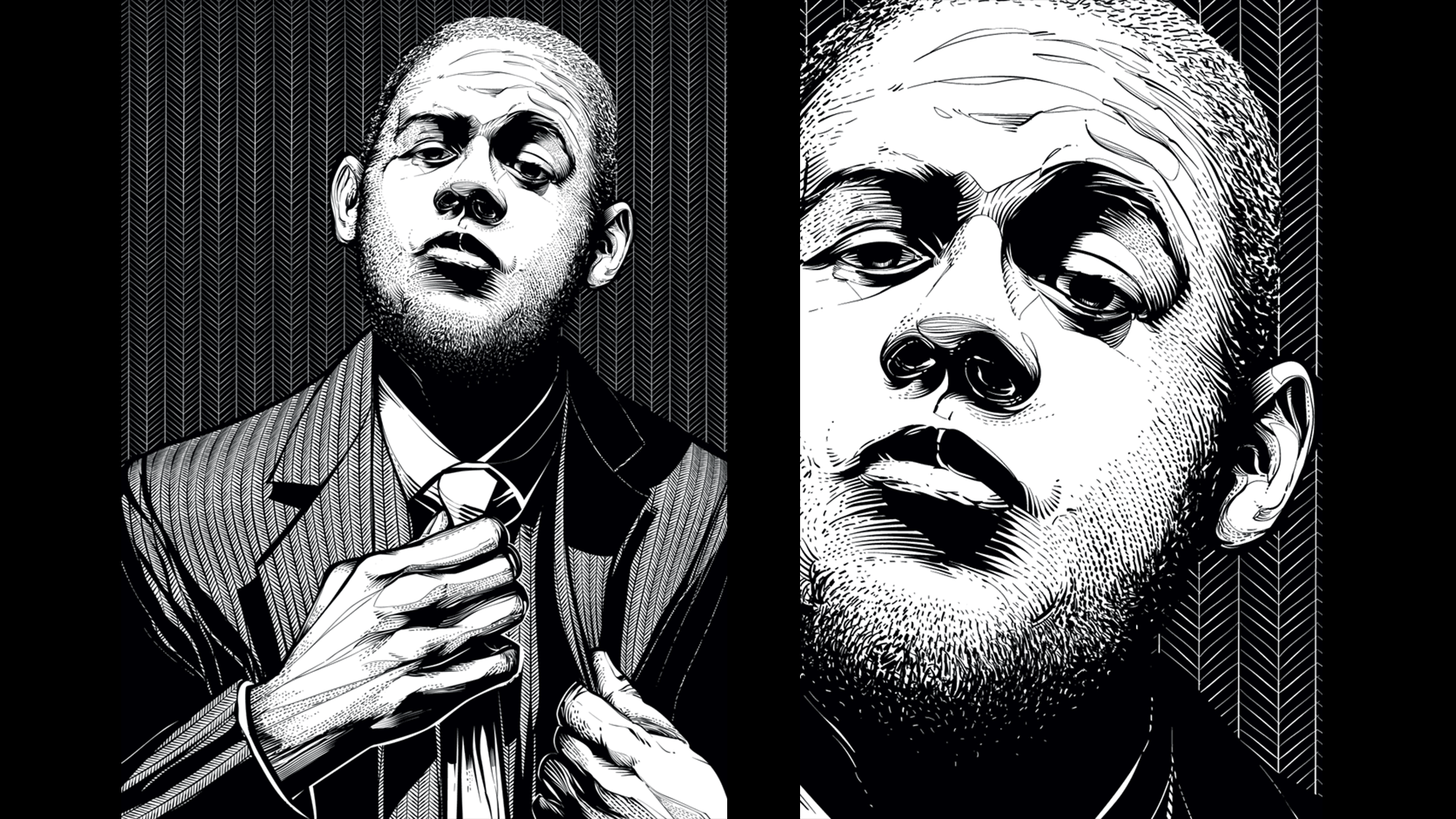
No human face is symmetrical. One eye sits slightly higher. One side of the mouth lifts more readily. The nose drifts a few degrees off center. These are not flaws. They are the mechanism by which we recognize personality.
A well-known study by Langlois and Roggman, published in Psychological Science in 1990, demonstrates this from the opposite direction. The researchers averaged real human faces together using digital composites. The more faces they averaged, the more "attractive" the resulting composite was rated by participants. Their headline conclusion, that attractive faces are essentially average ones, has been cited thousands of times since.
But there's a quieter finding inside the same research. As averaging increases attractiveness, it also strips individuality. A face built from thirty-two other faces is a prototype. It's nobody's face. It's the kind of face AI-generated portraits produce when they smooth toward statistical averages: technically beautiful, emotionally inert.
Portrait illustration moves in the opposite direction. The artist studies which side of the face the subject leads with, which eye they trust the viewer with, how the mouth sits when it's not performing. The point isn't to make the face more attractive. The point is to make it more specifically that person.
Light and shadow
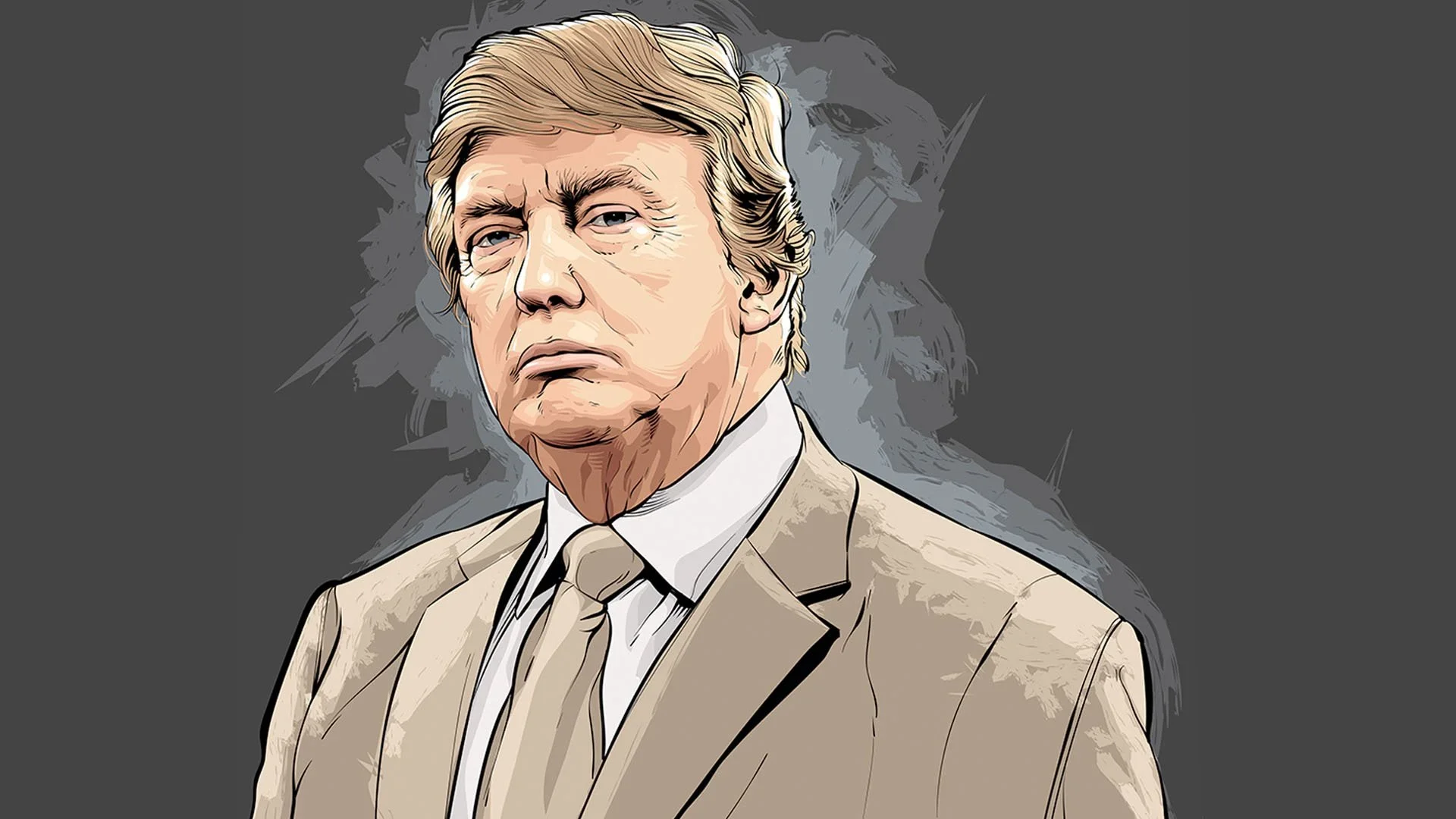
The direction of the light tells you how to feel about the subject before you've registered their features. Top-down light gives gravity and authority. Side light creates intrigue and the suggestion of inner life. Light from below shifts toward menace or theatricality.
An EEG study published in PubMed Central in 2025 measured viewers' neurological responses to faces lit from different directions. The result: lighting that obscures or distorts facial information produces measurable emotional responses in the cortex before any conscious recognition occurs. Underlight and silhouette lighting elicited stronger early negative responses than standard frontal lighting. In short, the viewer feels the mood of a face before they've actively read it.
A portrait illustrator chooses light the way a film director does. Not what was there in the reference photo, but what serves the story of who this person is. A portrait of an athlete at full intensity is lit differently from a portrait of a writer in a moment of reflection, even when the artist is working from similar source material.
Why this matters when you commission a portrait illustration
Anyone can be drawn. Not every drawing brings the person forward.
When you commission a portrait illustration, what you're paying for isn't the time it takes to produce the image. It's every decision the artist has made, across years of practice, about which gaze, which asymmetry, which light, which restraint will land. The technique is the easy part. The judgment is the part that takes a career.
The research is consistent on this point. Faces aren't processed as photographs. They're processed as patterns of distinction. A portrait illustration that exaggerates the right things, omits the right things, and meets the viewer with the right gaze isn't only artistically stronger than a literal likeness. It's neurologically stronger. It engages the parts of the brain that make a face feel like a presence rather than a record.
If you're considering a portrait illustration for an editorial cover, a campaign, a book jacket, or any project where the face has to do work, it's worth choosing an artist whose previous portraits already do this. Look for the ones that hold you. Those are the ones with the decisions baked in.
Working with Illustria
Illustria is a boutique illustration agency based in New York, representing illustrators for editorial, advertising, publishing, and packaging clients worldwide. If you're considering a portrait illustration for an upcoming project, get in touch. We'll help you find the artist whose work knows how to look back.
References
Senju, A., & Johnson, M.H. (2009). The eye contact effect: mechanisms and development. Trends in Cognitive Sciences, 13(3), 127–134. sciencedirect.com
Langlois, J.H., & Roggman, L.A. (1990). Attractive Faces Are Only Average. Psychological Science, 1(2), 115–121. journals.sagepub.com
Mauro, R., & Kubovy, M. (1992). Caricature and face recognition. Memory & Cognition, 20(4), 433–440. link.springer.com
Faces in shadows: silhouette light, underlight and toplight elicit increased early posterior negativity. EEG pilot study. PubMed Central. ncbi.nlm.nih.gov